
Let's Connect:
(843)901-0180
Hugh@theconnecteffect.com

Building Strong Communities
Bettering your team
through enhanced collaboration and communication. Facilitating positive, empowered, constructive environments through interactive activities and meaningful conversations.


Turning problems into possibilities
When teams engage in experiences that deliver simple, useful, meaningful and actionable insights, their interactions become more impactful.
Why Choose The Connect Effect

Empowerment Coaching
Tailored coaching to meet the specific needs and preferences of your team, fostering a culture of growth and empowerment.
Enhanced Collaboration
Working together to achieve a common goal by sharing ideas, skills and resources, leading to more creativity and innovation.
Engaging Workshops
Interactive activities using problem solving and critical thinking to create more effective teams.
Meaningful Conversations
Customized workshops and activities designed to promote teamwork, open communication and psychological safety within your team.

Our Mission
The Connect Effect is dedicated to building strong communities through play, connections, and conversations. We are committed to enhancing workplace collaboration and empowering teams through interactive and engaging experiences.

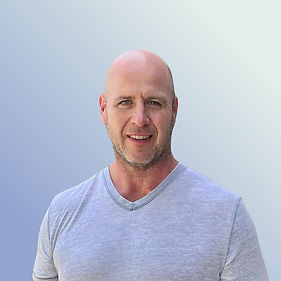
Meet Hugh
Connecting Strong Teams
With over 30 years of experience leading high performing teams in both corporate finance and entrepreneurship, Hugh Corcoran brings a unique blend of strategic insight, operational excellence, and people focused leadership to every program. Most recently under his direction, Wild Blue Ropes Adventure Park delivered over 500+ custom team building experiences for corporations, schools, and sports teams - customizing goals while fostering communication, collaboration, leadership, and critical thinking skills.
As a result, in 2024 Wild Blue Ropes was nationally recognized as one of Yelp's Top 100 Small Businesses in the USA.
Hugh is passionate about helping individuals and organizations grow stronger together - one challenge at a time.

Who We've Worked With
Over a span of 10+ years, Hugh has worked with some of the following clients achieving individualized, impactful, goal-driven results.

















Building Strong Teams
%20(2).jpg)

Unleashing Potential
At The Connect Effect, we believe in the power of teamwork to achieve greatness. Our innovative team building activities are designed to foster collaboration, communication, and trust among team members. By participating in our programs, individuals can discover their strengths, embrace challenges, and unlock their full potential.
Frequently Asked Questions
What is team building?
Team building is a series of purposeful activities and experiences designed to help groups of people better understand, appreciate, and work effectively with each other. Our programs focus on creating positive connections, improving communication, and building trust while having fun and working toward common goals.
Why is team building important for organizations?
Team building is crucial because it directly impacts your organization's performance, culture, and bottom line. Effective team building improves communication, increases trust, boosts morale, enhances problem-solving abilities, and creates a more cohesive work environment. Teams that connect well together are more productive, innovative, and engaged.
What types of team building programs do you offer?
We offer a diverse range of programs including:
Leadership development workshops
Communication and collaboration activities
Problem-solving challenges
Trust-building exercises
Creative team projects
Outdoor adventure programs
Virtual team building for remote teams
Custom programs tailored to your specific needs and objectives
How do I choose the right team building program for my team?
We start by understanding your team's specific challenges, goals, and dynamics. During our consultation, we'll discuss your objectives, team size, time constraints, and preferred style of activities. Based on this information, we'll recommend the most effective program to achieve your desired
outcomes.
How much do team building programs cost?
Program costs vary based on several factors including:
Group size and number of participants
Program duration and complexity
Location and venue requirements
Materials and equipment needed
Level of customization required
We provide detailed, transparent pricing with no hidden fees. Contact us for a customized quote based
on your specific requirements. We're committed to delivering exceptional value that far exceeds your
investment.
What should participants wear to team building events?
We design our programs to be inclusive and accessible for all fitness levels and abilities. Generally, we recommend:
Comfortable, casual clothing suitable for movement
Closed-toe shoes with good grip
Weather-appropriate attire for outdoor activities
Layers for temperature changes
We'll provide specific dress code recommendations based on your chosen program activities.
What happens if there's bad weather on the day of our outdoor event?
We always have backup plans! We monitor weather forecasts closely and will:
Move outdoor activities to covered areas when possible
Transition to indoor alternatives that maintain the same learning objectives
Reschedule the event if weather conditions are unsafe
Provide flexible solutions that ensure your team building goals are still achieved.
Do you offer virtual team building for remote teams?
Yes! We offer engaging virtual team building programs specifically designed for remote and hybrid
teams. These online experiences use interactive technology, breakout rooms, and collaborative tools to create meaningful connections and achieve the same positive outcomes as in-person programs.
How do you ensure team building activities are inclusive and accessible?
Inclusivity is fundamental to our approach. We:
Design activities that accommodate various physical abilities and fitness levels
Create psychologically safe environments for all personality types
Adapt programs for different cultural backgrounds and communication styles
Offer alternative participation methods for those who prefer different engagement styles
Ensure every team member can contribute meaningfully to the experience
Can you work with teams that have conflict or trust issues?
Absolutely. We specialize in helping teams work through challenges and rebuild positive relationships. Our experienced facilitators are skilled in conflict resolution and creating safe spaces for difficult conversations. We'll design a program that addresses underlying issues while building stronger, more
resilient team dynamics.

%20(2).jpg)
Can you customize activities for our specific needs?
Absolutely! We specialize in creating tailored solutions that align with your organization's unique culture, challenges, and objectives. Every program is designed to address your specific goals, whether that's improving communication, building leadership skills, or strengthening team cohesion.
How long do team building events typically last?
Our programs are flexible and can range from:
2-hour workshops for focused skill development
Half-day programs (3-4 hours) for comprehensive team building
Full-day experiences (6-8 hours) for intensive team development
Multi-day retreats for deep organizational transformation
We'll work with your schedule to find the perfect duration for your needs.
Where do you conduct team building programs?
We're flexible with locations and can deliver programs:
At your workplace or office
At outdoor venues and adventure locations
At conference centers and meeting facilities
At retreat centers for multi-day programs
Virtually for remote teams
At any location that suits your team's needs and program objectives
How much notice do you need to book a team building event?
While we recommend booking 2-4 weeks in advance for optimal planning, we understand that sometimes you need something sooner. We can often accommodate shorter notice requests,
especially for smaller groups or standard programs. Contact us to discuss your timeline.
What results can we expect from team building?
You can expect measurable improvements in:
Team communication and collaboration
Trust and mutual respect among team members
Problem-solving and creative thinking abilities
Leadership skills and confidence
Employee engagement and morale
Workplace culture and team dynamics
Overall productivity and performance
We provide post-program assessments to measure and track these improvements.
What makes The Connect Effect different from other team building companies?
The Connect Effect stands out because we:
Focus on creating authentic, lasting connections rather than just temporary fun
Use evidence-based approaches to team development
Provide comprehensive before & after program support
Offer highly customized solutions rather than one-size-fits-all programs
Emphasize practical skills that transfer directly to the workplace
Deliver measurable results with ongoing support for implementation
Do you provide follow-up support after the team building event?
Yes! We believe lasting change requires ongoing support. We offer:
Post-program debrief sessions to reinforce key learnings
Action planning support to implement new skills
Follow-up check-ins to track progress and address challenges
Additional resources and tools for continued team development
Options for refresher sessions or advanced programs
How far in advance should we start planning our team building program?
For the best results, we recommend starting the planning process 4-6 weeks before your desired
event date. This allows time for:
Thorough consultation and needs assessment
Custom program design and preparation
Coordination of logistics and venue arrangements
Pre-program surveys or assessments if needed
Optimal scheduling for all participants
However, we're flexible and can work with tighter timelines when necessary.
Ready to Transform Your Team?
Have a question that's not answered here? We'd love to hear from you! Contact The Connect Effect today to discuss your team building needs and discover how we can help your team reach its full potential.

Complementary Consult
Discover how The Connect Effect can elevate your team's communication, collaboration and empowerment. Contact us for a complimentary consultation.
